cultural differences affect good faith determination during probation
In today’s globalized workplace, organizations frequently employ individuals from diverse cultural backgrounds, which introduces both opportunities and challenges. One area where cultural differences can have a profound impact is in evaluating new employees during their probationary period. How do cultural differences affect good faith determination during probation? Understanding this relationship is crucial for HR professionals and managers who aim to conduct fair, objective, and culturally sensitive evaluations. Probation is a period designed to assess skills, behavior, and alignment with company values, and cultural factors can influence both performance and perception, making the process more complex.
Good faith determination during probation requires managers to evaluate employees with honesty, transparency, and impartiality. However, cultural differences can subtly affect how behaviors are interpreted. For instance, in some cultures, employees may avoid direct confrontation or limit self-promotion, which could be misconstrued as lack of confidence or engagement. Conversely, employees from cultures that encourage assertiveness may be perceived as overly aggressive in certain workplaces. Without cultural awareness, these differences can skew performance evaluations, potentially undermining the integrity of good faith determination during probation.
Communication styles play a critical role in probation evaluations. Employees from high-context cultures, where indirect communication is common, may not express concerns or achievements as openly as expected. Meanwhile, managers accustomed to low-context, direct communication may misinterpret this as disinterest or poor performance. By recognizing these cultural nuances, organizations can ensure that Good faith determination during probation reflects actual capability and potential, rather than cultural misalignment. HR policies that incorporate cultural awareness and training for evaluators can mitigate these risks, fostering a fairer assessment process.
Feedback and performance reviews are another area where cultural differences influence good faith determination during probation. In some cultures, criticism is considered disrespectful or shame-inducing, which may cause employees to become defensive or withdrawn when receiving feedback. Managers unaware of these sensitivities might perceive this as resistance or inability to learn. By adapting feedback methods to be culturally sensitive—using private discussions, constructive phrasing, and supportive tone—employers can maintain fairness and encourage growth, aligning with the principles of good faith determination during probation.
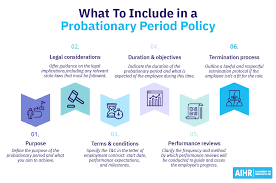
How do cultural differences affect good faith determination during probation?
Decision-making processes can also be influenced by cultural expectations. Employees from collectivist cultures may prioritize teamwork and consensus over individual achievement, while managers from individualistic cultures may focus heavily on personal performance metrics. If these differences are not acknowledged, assessments could be unintentionally biased, affecting promotions or probation outcomes. Incorporating multiple perspectives into evaluations, such as peer feedback or 360-degree reviews, can help ensure that good faith determination during probation is comprehensive and culturally inclusive.
Moreover, cultural differences can affect expectations regarding time management, hierarchy, and work-life balance. Managers must be aware of these factors when evaluating punctuality, initiative, or communication patterns during probation. Without careful consideration, behaviors influenced by cultural norms may be misinterpreted as performance deficiencies. HR policies that emphasize cultural competency and objective evaluation criteria create a framework for fair assessments, ensuring that good faith determination during probation is based on capability rather than cultural misunderstandings.
Ultimately, organizations that embrace cultural diversity and awareness can enhance the effectiveness of probation evaluations. How do cultural differences affect good faith determination during probation? They introduce complexity, but when approached thoughtfully, they also provide an opportunity for more nuanced, equitable, and accurate assessments. Training managers, documenting evaluation criteria, and considering cultural context ensures that all employees are judged on their merits while fostering a respectful and inclusive workplace.
In conclusion, cultural differences are an important factor in shaping probation assessments. Good faith determination during probation must go beyond surface-level performance metrics to account for diverse communication styles, feedback reception, and behavioral norms. Organizations that prioritize cultural awareness and incorporate it into HR policies create a fairer evaluation system, strengthening employee trust and promoting organizational success. Recognizing and addressing cultural differences ensures that probationary evaluations remain ethical, transparent, and genuinely reflective of an employee’s potential.